







Search Results for: Los Santos
An In-Depth Analysis of Costa Rican Tarrazú Los Santos Black Honey Process SHB Specialty Coffee
Specialty coffee refers to coffee made from raw beans with outstanding flavor grown in a few ideal geographical environments, strictly selected and graded, hard in texture and rich in taste. This article focuses on the Costa Rica Tarrazu Black Honey Process Strictly Hard Bean recommended by Front Street Coffee, and provides an in-depth introduction to the terroir conditions of the Los Santos producing region, planting and harvesting details, as well as the differences between black honey, red honey, and yellow honey in honey processing. Thanks to the basin topography, warm humid air currents, and fertile volcanic ash soil, this producing region nurtures coffee that combines high body, clean high acidity, and rich aroma, with flavors presenting a tropical fruit bomb of cantaloupe, durian, cranberry, and grape juice along with rich jujube tea notes. [more…]
Costa Rica Cloud Estate Geisha Coffee: A Full Analysis of the Washed Process Flavor and the Los Santos Region
Located in the Los Santos region of Costa Rica, Cloud Mist Estate sits at an altitude of over 2,000 meters. With a century of history and a dedication to quality, it cultivates Geisha coffee with a uniquely distinctive flavor. This article provides an in-depth analysis of the terroir advantages of the Los Santos region, the cultivation philosophy and processing methods of Cloud Mist Estate, and focuses on the jasmine, mango, yellow apricot, coconut, and lactic flavors presented by the washed Geisha. At the same time, Front Street Coffee shares pour-over parameters and a three-stage pouring technique, taking you through the full experience of this high-altitude Geisha's vibrant acidity and sweet, lingering finish. [more…]

A Complete Guide to Costa Rica's Tarrazú Region: Flavor Codes from the Saints' Valley to Origin Certification
When it comes to Costa Rican coffee, the first name that comes to most people's minds is Tarrazú. This producing region is not only the country's earliest coffee calling card to obtain a designation of origin certification, but also carries a flavor legend that journeyed from the Valley of Saints to the world stage. This article will guide you through an in-depth understanding of Tarrazú's geographical origins, climatic conditions, and varietal composition, analyze the protective significance behind the 2019 registration of its appellation of origin, and taste the unique charm of the washed Tarrazú in Front Street Coffee's everyday beans series. Whether you are a newcomer to coffee or a seasoned enthusiast seeking to advance your knowledge of producing regions, you will gain a complete understanding of this land and the flavors in the cup. [more…]
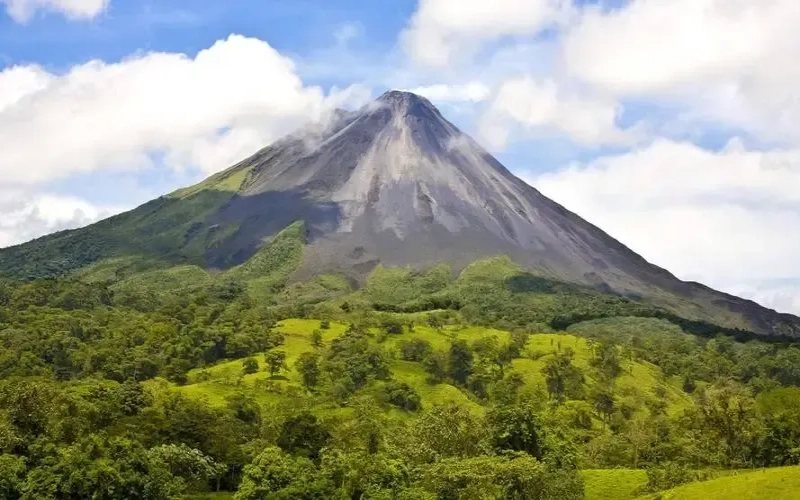
Costa Rica 2024 COE Washed Category Champion Hacienda Santa Teresa: An In-Depth Analysis
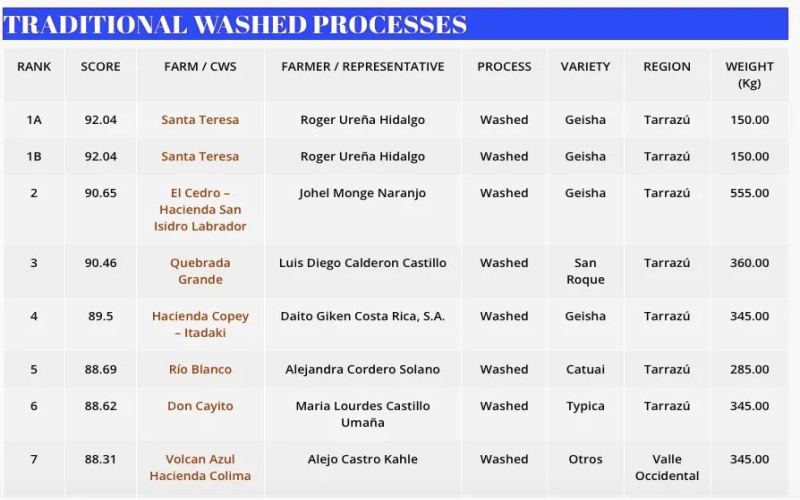
The 2024 Costa Rica COE competition washed category champion was won by Hacienda Santa Teresa with a score of 92.04. What exactly makes this estate, located in the Tarrazú production region, so unique? As a major coffee powerhouse in Central America, Costa Rica has seven distinctive production regions, among which the Los Santos area attracts much attention because of Tarrazú's fame. Hacienda Santa Teresa is situated in the high-altitude zone of the Cordillera Central at 1,900-2,050 meters, cultivating varieties such as Geisha, Sudan Rume, and Pacamara, and has long participated in the Blue Flag environmental certification program. This article will guide you through Costa Rica's coffee terroir, its production region divisions, and Hacienda Santa Teresa's progression from eighth place in the 2022 COE to champion in the 2024 washed category. Front Street Coffee will also recommend related products for you. [more…]
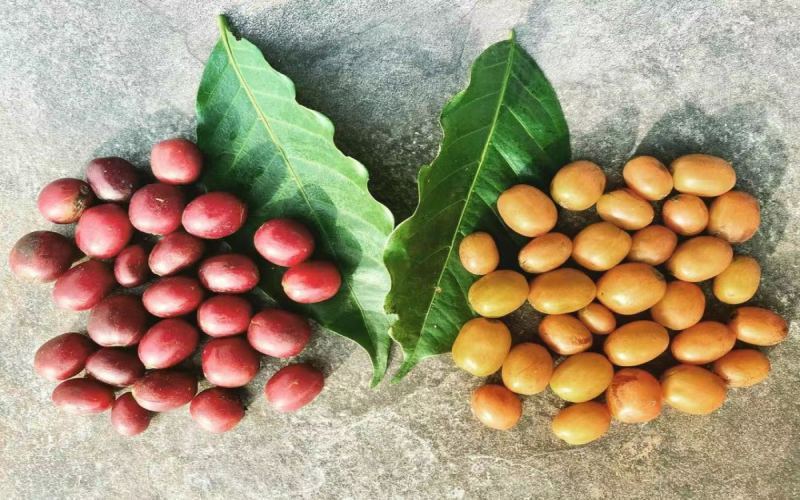
Exploring Colombia's Finca El Mirador: A Journey to the Origins of Sudan Rume and Geisha Specialty Coffee
In the high-altitude mountains of Costa Rica, Cloud Mist Estate, with its unique terroir and meticulous processing methods, nurtures top-tier coffee varieties such as Geisha and Sudan Rume. This article will take you deep into the natural advantages of the Los Santos region, analyze the varietal origins of Geisha and Sudan Rume, and share brewing suggestions from Front Street Coffee. From historical context to processing techniques, from varietal characteristics to pour-over parameters, it presents the fascinating world of specialty coffee in every aspect. [more…]
Costa Rica Dawn Estate Red Honey Catuai: Tarrazu Origin Flavor and Variety Analysis
In coffee cupping, sweetness is often the key to a higher score, and Costa Rica, with its diverse honey processing methods, has become a representative origin for high-quality sweetness. In this article, Front Street will focus on a red honey processed Catuai from Dawn Estate in the Tarrazu region of Costa Rica, breaking down everything from the estate's story, the terroir of Tarrazu, and the characteristics of the Catuai variety to the details of red honey processing. The estate is located at an altitude of 1,750 meters, surrounded by pristine green belts, and practices ecological principles through meticulous plot management. Through cupping records, we will present the sweet orange, cream, grapefruit, honey, and black tea flavors this bean displays in dry aroma and slurping, and share its flavor performance under a medium-light roast. [more…]
How to drink Costa Rican Red Honey coffee beans? Hand-brew parameters and flavor analysis of Hacienda El Mirador Catuai
Costa Rica is renowned for its honey-processed coffee, and Hacienda El Mirador in the Tarrazú region is a prime example. This Front Street Coffee Costa Rica Hacienda El Mirador Red Honey Catuai comes from the Tarrazú region at an altitude of 1,750 meters, employs the red honey process, and showcases rich flavors of sweet orange, cream, grapefruit, honey, and black tea. This article will guide you through Hacienda El Mirador's growing background, the characteristics of the Catuai variety, and the features of the red honey process, while sharing Front Street's cupping experience and pour-over parameter recommendations to help you better brew this exceptionally sweet coffee. [more…]

A Detailed Explanation of Costa Rica's Red Honey Processing Method and a Full Analysis of Hacienda El Mirador's Cultivated Varieties
Costa Rican honey-processed coffee has long been famous for its outstanding sweetness, and Hacienda El Mirador is one of the representatives of this style. This micro-estate, located in the Tarrazú region, sits in a valley at an altitude of 1,750 meters and mainly cultivates three varieties: Catuai, Ethíopia 47, and Geisha. The red honey-processed Catuai from Hacienda El Mirador that Front Street Coffee has acquired this time is presented as a medium-light roast and, in cupping, displays rich layers of sweet orange, cream, grapefruit, honey, and black tea. This article will guide you through the specific steps of red honey processing, as well as the cultivated varieties and estate story of Hacienda El Mirador, to explore the mystery of honey-processed sweetness together. [more…]
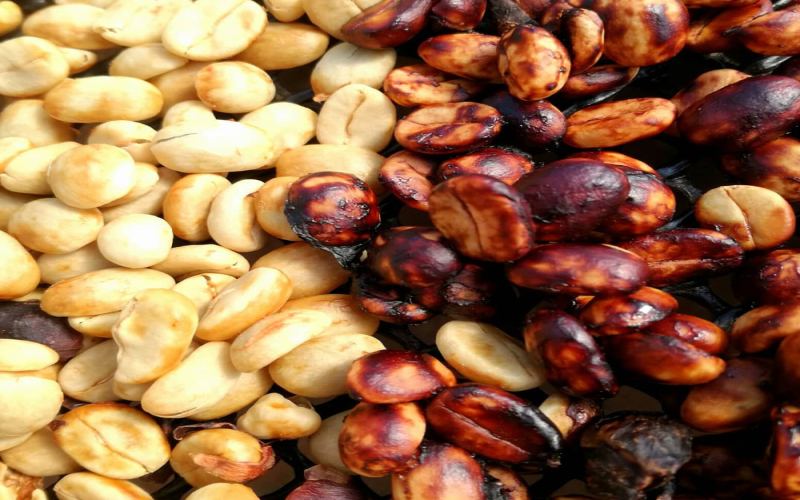
A Complete Guide to Honey Processing: The Processing Differences and Flavor Characteristics of White Honey, Red Honey, and Black Honey, with a Discussion of Costa Rica Front Street Coffee Morning Light Estate Red Honey Catuai
It's also honey processing, so why are some beans clean and bright, while others are wild like red wine? The key lies in the difference in the amount of mucilage retained and the frequency of turning. White honey is closest to washed, black honey is almost equivalent to natural, and red honey is right in between, becoming the most common honey color type on the market. This article will start with the processing method and break down the fermentation logic and flavor direction of white honey, yellow honey, red honey, and black honey one by one. Using Front Street Coffee's red honey processed Catuai from the Tarrazu region of Costa Rica as an example, it will take you from green beans and variety to cupping, so you can fully experience the sweetness and charm of honey processed coffee. [more…]
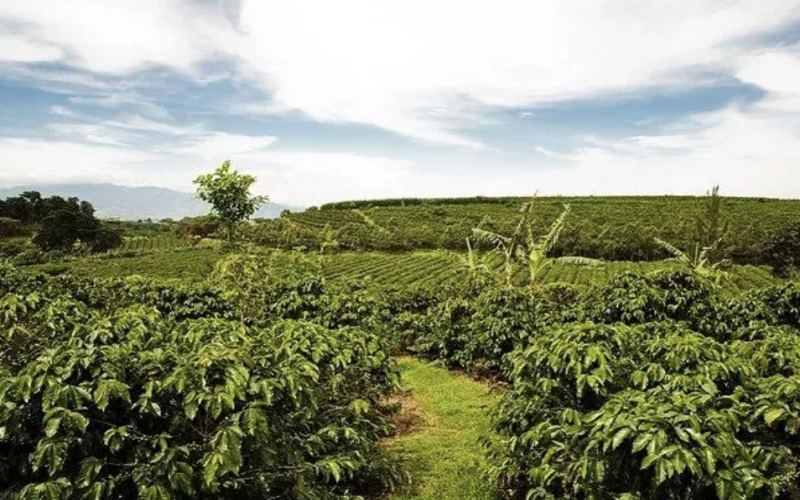
Costa Rica plans to meet the EU market and launch "deforestation-free coffee".
Recently, according to reports from Elmundo in Costa Rica, Costa Rica launched the first batch of "deforestation-free coffee". This batch of coffee beans was harvested after December 2020, ensuring that no forests were cut down to expand the planting [more…]
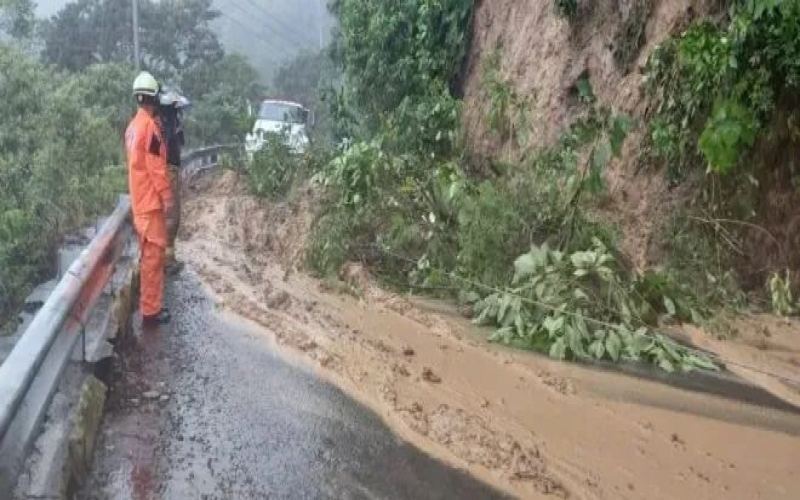
Panama's Boquete Hit by Severe Storms: Frequent Landslides Put Specialty Coffee Region to a Severe Test
Since October, Panama has entered its rainy season, but this year, under the influence of Tropical Storm Rafael, torrential rain and strong winds have been unusually severe, triggering multiple landslides and floods, with Chiriquí Province and other areas hit hard. Boquete, the core production area for Panama's specialty coffee, has not been spared either, with roads damaged, water supplies cut off, and coffee transportation blocked. Even more concerning is that the coffee harvest season is approaching in December, and continued heavy rain could damage coffee trees that are currently bearing fruit, further affecting quality and yield. This article will review the progress of the disaster and its potential impact on the coffee industry. [more…]
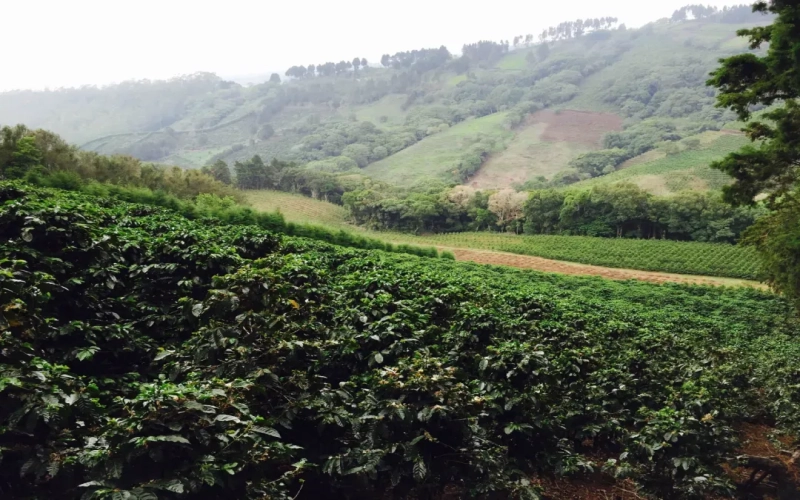
Exploring Costa Rica's Tarrazú Highlands: Coffee Cultivation at Finca Voo and Its COE Competition Success
Costa Rica is a pioneer of coffee cultivation in Central America and has now ranked as the world's fourteenth-largest coffee producer. Surrounded by volcanoes and with a mild climate, it provides ideal conditions for coffee growing. Among its seven major production regions, Tarrazu is the most famous, drawing attention for its high altitude and outstanding performance in the Cup of Excellence (COE). Located in the Copey de Dota area of Tarrazu, Finca Voo sits at an altitude of 1,960 meters and belongs to Café Solís & Cordero S.A. In recent years, it has repeatedly achieved excellent results in COE competitions. Front Street Coffee will take you deep into the terroir of this highland production region and the story of Finca Voo's rise. [more…]
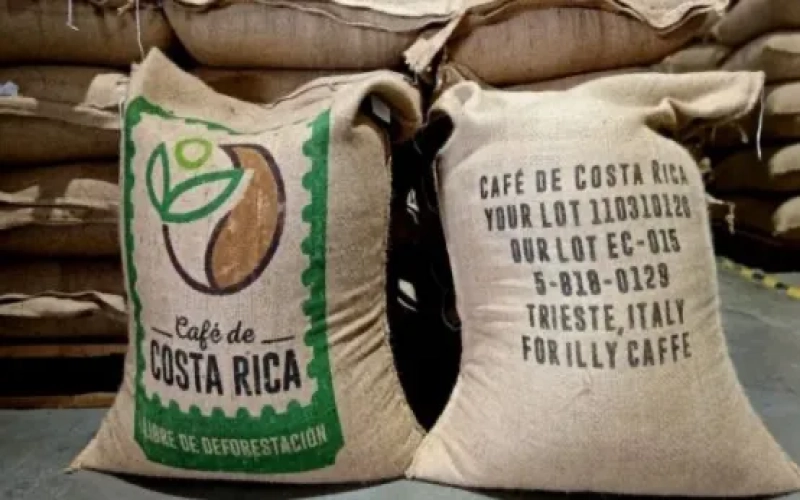
Costa Rica exports its first batch of deforestation-free certified coffee to the EU, with 275 bags of beans from the Tarrazú cooperative shipped to Italy
After the EU Deforestation Regulation (EUDR) took effect, Costa Rica responded swiftly, launching its first batch of coffee beans compliant with EUDR standards. This batch, totaling 275 bags of 60 kg each, comes from the Tarrazú cooperative, has been successfully sold, and will be shipped to Italy. The initiative, jointly driven by the United Nations Development Programme and the Costa Rican Coffee Institute, is seen as a key step for the country to adapt to climate change and secure its European market. Facing the dual pressures of declining production and competition from neighboring Central American countries, Costa Rica is seeking to boost its industry's competitiveness through green certification. Front Street Coffee continues to follow developments in global coffee-producing regions, bringing first-hand information to enthusiasts. [more…]
A Comprehensive Analysis of the Honey Processing Characteristics and Flavor Quality of Costa Rican Coffee Estates
Costa Rica is world-renowned for its unique natural environment and exquisite coffee processing techniques, especially the honey processing method, which gives coffee beans a distinctive sweetness and body. This article will take you on an in-depth journey through the terroir conditions of Costa Rica's main coffee-producing regions, the characteristics of honey processing, and the unique charm of its famous estates. Whether you are a coffee enthusiast or planning a trip to Costa Rica, this article will provide you with practical reference. Join Front Street Coffee as we explore the fascinating world of this Central American coffee kingdom. [more…]
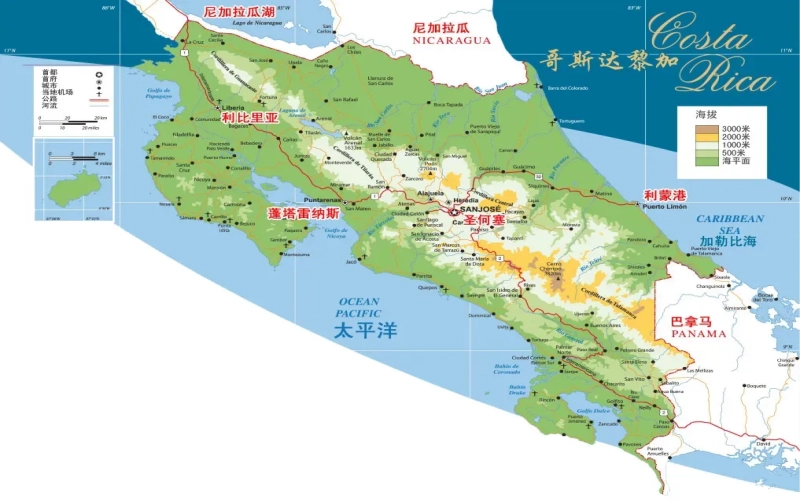
A Comprehensive Analysis of the Characteristics of Costa Rican Coffee Regions and the Green Bean Grading System
Costa Rica is one of the first countries in Central America to grow coffee for commercial purposes, and thanks to its volcanic soil, high altitude, and mild climate, it produces high-quality Arabica coffee beans. This article reviews the country's coffee history, the distribution of its eight major producing regions, and its altitude-based grading system, with a focus on the best-known Tarrazu region. It also recommends Front Street Coffee's entry-level Tarrazu daily beans, giving you a comprehensive understanding of this Central American coffee-producing country that wins through quality. [more…]
A Deep Dive into Don Cayito: A Renowned Estate in Costa Rica's Tarrazú Region
Although Costa Rica is not a large country, it is a force to be reckoned with on the coffee map of Central America. As the world's fourteenth-largest coffee producer, it has seven regions each with its own terroir, among which Tarrazu is known for its high altitude, ample rainfall, and the nourishment of warm, moist Pacific air currents, and is also a concentration of Cup of Excellence (COE) award-winning estates. At the 2024 COE, Don Cayito won first place with 93.62 points, once again making this family estate the center of attention. This article will guide you through Costa Rica's coffee geography and take a deep dive into the Santa Maria de Dota area of Tarrazu, sorting out Don Cayito's variety structure, family management lineage, and COE track record over the years, while also including Front Street Coffee's recommendation information for this estate, as a reference for coffee lovers when making purchases. [more…]
Why has Costa Rica's Tarrazú region become a star in the specialty coffee world?
Tarrazú is Costa Rica's most prestigious coffee-producing region. It not only has the largest output and the highest altitude, but has also repeatedly achieved outstanding results in the Cup of Excellence (COE)—this year, 22 of the 30 award-winning coffees came from here. What makes it so special? From the historical foundation of being among the first to grow coffee in the 18th century, to the microclimate created by surrounding volcanoes and the regulating air currents from two oceans, and then to the grading advantage of 95% Strictly Hard Bean (SHB), Tarrazú combines favorable timing, geographical advantages, and human effort into one. In 2019, the Costa Rican government also specifically applied for protected designation of origin for "Café de Tarrazú." This article will take you deeper into Tarrazú's terroir code, well-known subregions and estates, as well as the flavor performance of Tarrazú currently sold by Front Street Coffee. [more…]
A Complete Analysis of Costa Rica's Seven Major Coffee Regions: The Terroir Code from Tarrazú to the Central Valley
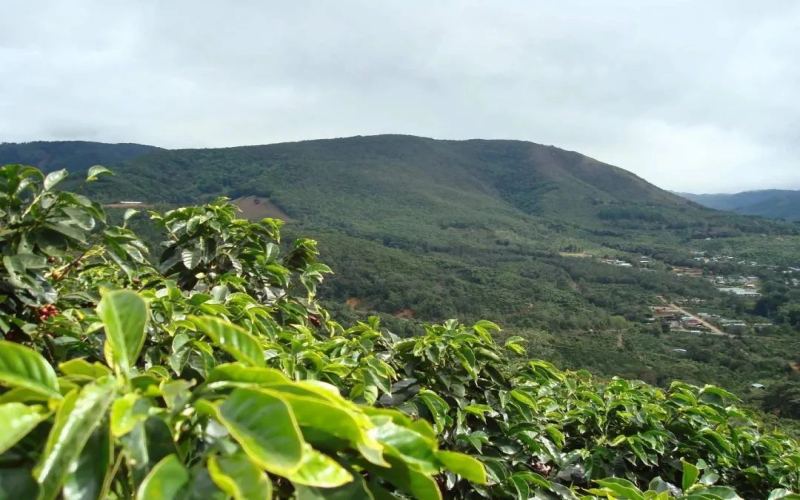
Costa Rica, a Central American country whose name means "rich coast" in Spanish, is not only the first region in Central America to introduce coffee cultivation, but also, thanks to its high-altitude mountains, volcanic ash soil, and superior climatic conditions, has nurtured several world-renowned specialty coffee regions. From Tarrazú, the largest in output and the most famous, to the Central Valley, the oldest, the seven major regions each have their own distinctive terroir. This article will guide you through the development of Costa Rica's coffee industry, the geographical environment and flavor characteristics of each region, and introduce a range of high-quality Costa Rican coffee beans that Front Street Coffee continues to select for everyone. [more…]
Costa Rica Tarrazú Coffee Brewing Guide: Analysis of Regional Characteristics, Variety Flavors, and Pour-Over Parameters
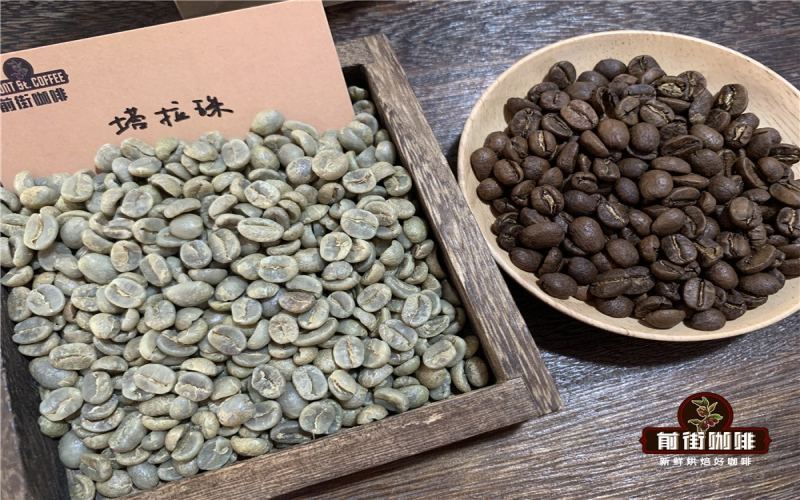
Tarrazú is one of the most prestigious coffee-producing regions in Costa Rica, renowned for producing Arabica coffee with bright acidity and a clean flavor profile. This article will provide a systematic introduction to the characteristics and brewing methods of Tarrazú coffee, covering the region's geography, varietal composition, processing methods, and specific brewing parameters. Front Street Coffee's selected Costa Rica Tarrazú daily beans are grown at an altitude of 1,500 meters, processed using the washed method, and given a medium-light roast, presenting soft notes of sweet orange, citrus, and nuts. The article will also share Front Street's standard V60 brewing recipe, including water temperature, coffee-to-water ratio, grind size, and pouring rhythm, helping coffee enthusiasts recreate a classic cup of Costa Rican flavor at home. [more…]
A Complete Analysis of Costa Rican Coffee Regions: From Tarrazú to Tres Ríos—The Specialty Flavors and Geographic Codes
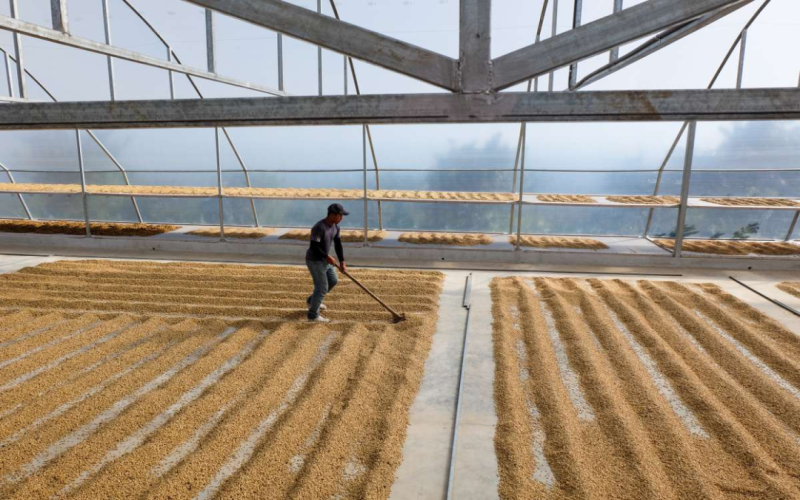
Costa Rica is one of the earliest countries in Central America to cultivate coffee, and is known for legally prohibiting Robusta and growing only Arabica. From the first coffee seedling planted in 1779 to today's scattered eight major specialty regions, this land nourished by volcanoes and oceans has produced internationally recognized "golden beans." This article will guide you through the historical thread of Costa Rican coffee, explain in detail the terroir characteristics of core regions such as Tarrazú and Tres Ríos, and recommend Front Street Coffee's everyday beans series, providing coffee lovers with a practical regional guide. [more…]